Hair Growth Tips
Hair growth advice works best when it separates real follicle support from quick-fix claims. Use this page to understand common causes of shedding, what nutrition can support, and when professional evaluation matters.
Quick Answer
Healthy hair growth depends on scalp health, genetics, nutrition, hormones, stress, and gentle hair habits. Products can support the environment around the hair, but the right plan starts with identifying whether you are dealing with breakage, shedding, or true follicle loss.
Find the Right HairBrief Guide
Understand Hair Loss
Specific Situations
Start With These Guides
- What Causes Hair Loss? – A broad guide to the most common triggers and patterns.
- How to Prevent Hair Fall – Practical habits that reduce breakage and support the scalp.
- What Vitamins Are Good for Hair Health? – Nutrients that matter when a deficiency is involved.
- Best Remedies for Hair Regrowth – How to think about remedies, scalp care, and evidence.
Want product ideas too? Visit the HairBrief shop for Amazon affiliate product categories by hair concern.
FAQ
Can products make hair grow faster?
Most products cannot force follicles to grow much faster than their natural rate, but the right scalp care and breakage prevention can help hair look fuller over time.
How do I know if hair fall is breakage or shedding?
Breakage usually shows shorter snapped pieces, while shedding often includes full strands with a small bulb at the end. Sudden or heavy shedding should be evaluated.
When should I see a dermatologist for hair loss?
Get help for sudden shedding, patchy loss, scalp pain, redness, scaling, or hair loss that keeps progressing despite gentle care.
-
Best Shampoo and Conditioner for Dry Frizzy Hair: Moisture, Frizz and Damage Guide
How to choose a shampoo and conditioner pair for dry frizzy hair before adding masks, oils, leave-ins, and anti-humidity stylers.
-
Best Styling Products for Oily Hair: Greasy Roots, Flat Hair and Buildup
A buyer-focused guide to dry shampoo, root powder, lightweight mousse, clarifying shampoo, scalp brushes, and non-greasy conditioners for oily hair.
-
How to Keep Hair Straight in Humidity: Anti-Frizz Routine and Products
A practical humidity-proof straight hair routine with product types, mistakes to avoid, and Amazon comparison links for anti-frizz sprays, serums, heat protectants, towels, and smooth styling tools.
-
Best Hair Products on Amazon by Concern: Growth, Frizz, Dandruff, Damage and Styling
A buyer-focused HairBrief guide to the best Amazon hair product categories by concern: hair growth, supplements, dandruff, frizz, heat styling, blowouts, and damage repair.
-
Hair Vitamins for Women, Men, Postpartum and Menopause on Amazon: How to Choose
Compare Amazon hair vitamin formulas for women, men, postpartum, menopause and premium multi-ingredient supplements like Nutrafol and Viviscal.
-
DHT Blocker Supplements for Hair Loss on Amazon: Saw Palmetto, Pumpkin Seed Oil and Safety
A careful Amazon guide to DHT blocker supplements, including saw palmetto, pumpkin seed oil, beta-sitosterol, men’s formulas and women’s formulas.
-
Hair Loss Vitamins: Iron, Vitamin D, Zinc and B12 Supplements on Amazon
A careful guide to deficiency-based hair supplements on Amazon, including iron, vitamin D, zinc, B12 and protein support.
-
Collagen Peptides for Hair Growth on Amazon: Powder, Capsules, Marine Collagen and What to Know
A practical Amazon guide to collagen peptides for hair, including powder vs capsules, marine collagen, vegan collagen boosters and realistic expectations.
-
Biotin for Hair Growth on Amazon: When It Helps, What to Buy and What to Avoid
A safety-aware Amazon guide to biotin for hair growth, including who may benefit, gummies, capsules, hair skin nails formulas and lab-test cautions.
-
Best Hair Growth Supplements on Amazon: Biotin, Collagen, Vitamins, DHT Blockers and More
Compare hair supplement categories on Amazon, including biotin, collagen, iron, vitamin D, zinc, omega-3, saw palmetto, pumpkin seed oil, Nutrafol, Viviscal and hair vitamins.
-
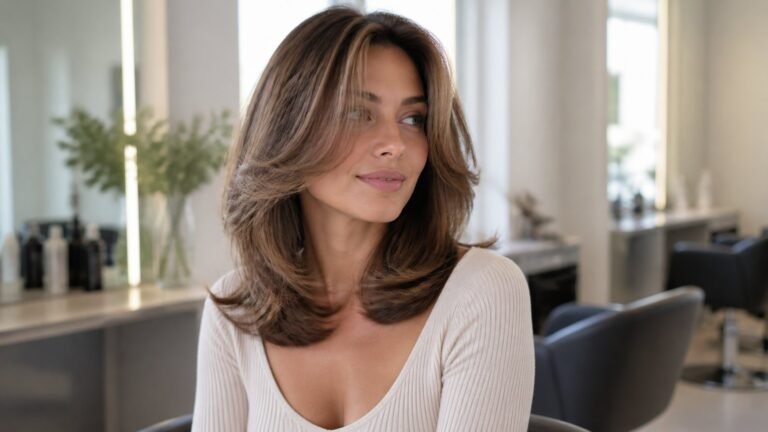
90s Blowout Hair for Medium Length Hair: Soft, Layered and Wavy Styles
Get the 90s blowout hair look on medium length hair with soft layers, round-brush steps, wavy and straight blowout ideas, Pinterest images, and Amazon tool picks.
-
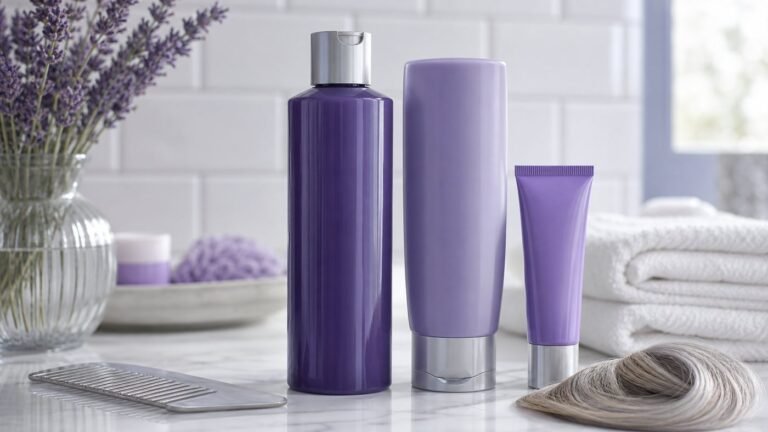
Best Purple Shampoo for Gray, Silver, and Blonde Hair on Amazon
A buyer-focused guide to purple shampoos for gray, silver, blonde, highlighted, and brassy hair, with Amazon product picks and usage tips.
-
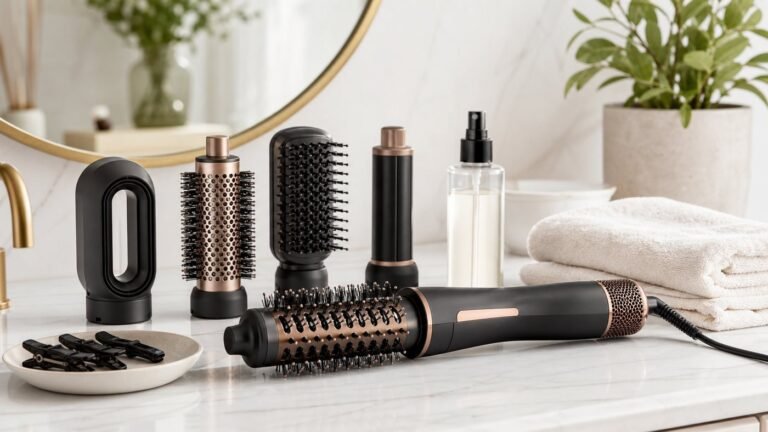
Best Blow Dryer Brushes and Easy Hair Stylers on Amazon
Amazon buying guide for blow dryer brushes and easy at-home hair stylers, including beginner-friendly tools for volume, smoothing, curls, and hard-to-style hair.
-
Best Products for Dry Frizzy Hair on Amazon: Leave-Ins, Masks & Humidity Help
A high-intent Amazon buying guide for dry frizzy hair, including leave-ins, bond repair, humidity blockers, detanglers, and satin protection.
-
Best Bond Repair Treatment for Damaged Hair: Bleach, Heat & Breakage Guide
Compare bond repair treatments, damaged-hair masks, leave-ins, and heat-protection pairings for bleached or breaking hair.
-
Best Rosemary Oil for Hair Growth Searches: What to Know Before Buying
A balanced buying guide for rosemary hair oil, scalp massage, carrier oils, irritation risk, and realistic hair growth expectations.
-
Best Hair Growth Products for Thinning Hair: What Is Worth Buying First
A realistic buying guide for hair growth products, minoxidil, scalp tools, shampoos, supplements, and when to see a dermatologist.
-
Best Heat Protectant Spray for Hair: Fine, Curly, Frizzy & Color-Treated
Compare heat protectant sprays, creams, and blowout products by hair type so styling causes less dryness, frizz, and breakage.
-
How to Add Volume to Flat Hair? A Step-by-Step Guide
To add volume to flat hair, focus on lightweight cleansing, root lift, strategic blow-drying, and avoiding heavy conditioners or oils near the scalp.
-
How to Choose a Haircut That Suits My Face Shape?
Choose a haircut by balancing your face shape, hair texture, density, maintenance level, and the features you want to soften or highlight.
-
How to Style Hair Without Heat? Easy No-Heat Methods
The easiest no-heat styles use damp hair, low tension, and time: braids, twists, buns, rollers, wraps, and satin accessories can shape hair without hot tools.
-
Best Hairstyles for Thin Hair: Top Looks That Add Volume
The best hairstyles for thin hair create lift, movement, and the appearance of density without relying on heavy products or cuts that remove too much weight.
-
How to Curl Hair at Home: Easy, Beautiful Results by Hair Type
The best way to curl hair at home is to prep with heat protectant, choose the right barrel or method for your hair type, curl in clean sections, and let curls cool before touching them.
-
Are Natural Hair Masks Effective? A Science-Based Guide
Natural hair masks can help with temporary softness, slip, and moisture, but they cannot repair severe structural damage or treat medical hair loss on their own.
-
What Are The Best Treatments For Dandruff? | Expert Guide
The best dandruff treatment depends on the cause, but common options include anti-dandruff shampoos, consistent scalp cleansing, reducing buildup, and dermatologist care for stubborn flakes.
-
Is Hair Rebonding Safe? Expert Guide to Hair Treatment
Hair rebonding can create a sleek look, but it is a chemical treatment that may cause dryness, breakage, scalp irritation, or damage if hair is already weak or overprocessed.
-
How to Choose the Right Shampoo and Conditioner
Choose shampoo by scalp needs and conditioner by hair lengths and ends: oily scalps need cleansing balance, dry ends need moisture, and damaged or color-treated hair needs gentler formulas.
-
What Are the Pros and Cons of Hair Oils?
Hair oils can add shine, reduce friction, and help seal moisture, but they can also weigh hair down, irritate sensitive scalps, or worsen buildup when overused.
-
What are the Side Effects of Keratin Treatment?
Keratin treatments can smooth frizz, but possible side effects include dryness, breakage, scalp sensitivity, eye or throat irritation during application, and reduced curl pattern.
-
What is Alopecia, and How to Treat it? | Hair Loss Guide
Alopecia means hair loss, and treatment depends on the type. Pattern hair loss, alopecia areata, traction alopecia, and shedding from stress or illness all need different approaches.
-
Can Hair Grow Back After Balding? | Latest Research
Hair may grow back after balding when the cause is temporary shedding, traction caught early, or a treatable scalp condition. Long-standing genetic pattern loss is harder to reverse.
-
Does Stress Cause Hair Loss? Understanding the Connection
Stress can cause hair shedding, especially telogen effluvium, where more hairs enter the shedding phase after illness, emotional stress, childbirth, or major life changes.
-
What are the Best Remedies for Hair Regrowth?
The best hair regrowth remedies depend on the cause of loss. Scalp care, nutrition, gentle styling, and evidence-based treatments can help, but no remedy works for every type of hair loss.
-
How to Prevent Hair Fall? | Stop Hair Loss Naturally
To prevent hair fall, reduce breakage, protect the scalp, eat enough protein and key nutrients, avoid tight hairstyles, and get sudden or excessive shedding checked.
-
What Causes Hair Loss?
Hair loss can be caused by genetics, hormones, stress, illness, nutritional deficiencies, medications, scalp disease, tight hairstyles, aging, or damaging hair practices.
-
How to Grow Hair Faster? Expert Tips for Healthy Hair Growth
You cannot force hair to grow far beyond its natural rate, but you can support growth by protecting the scalp, eating enough protein and nutrients, reducing breakage, and treating underlying issues.
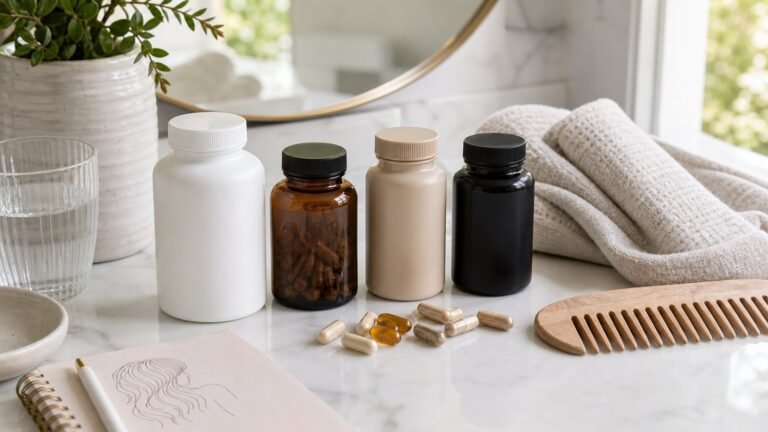
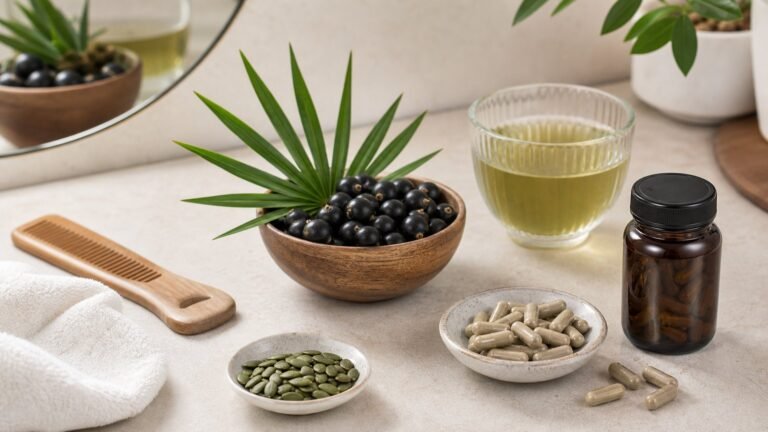
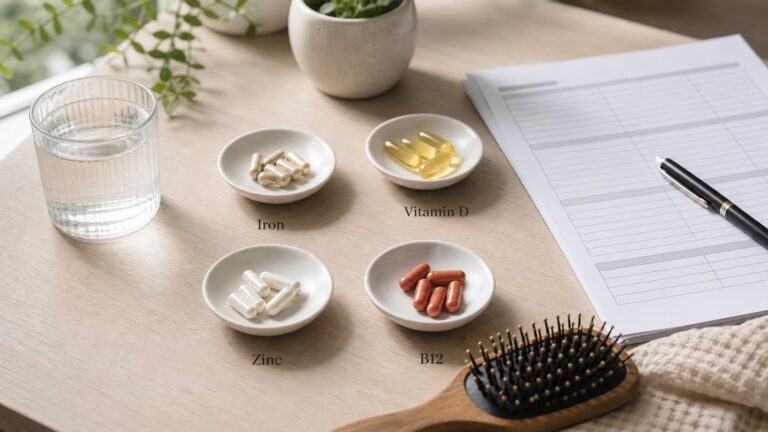
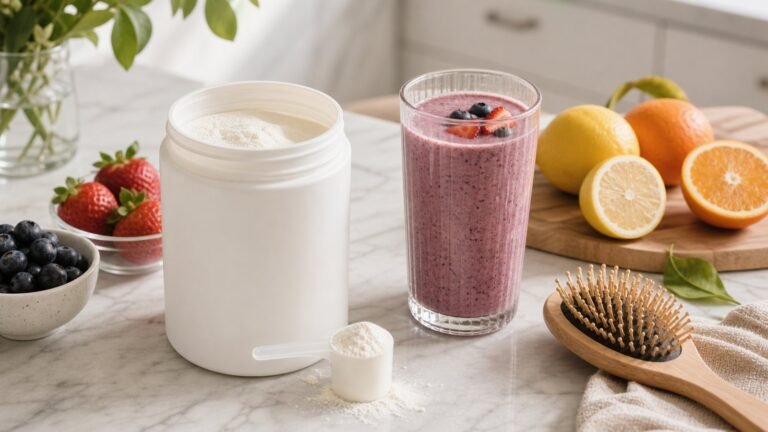
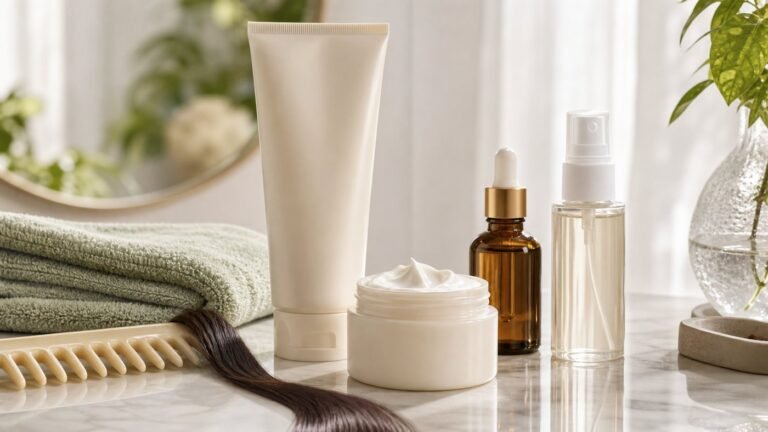
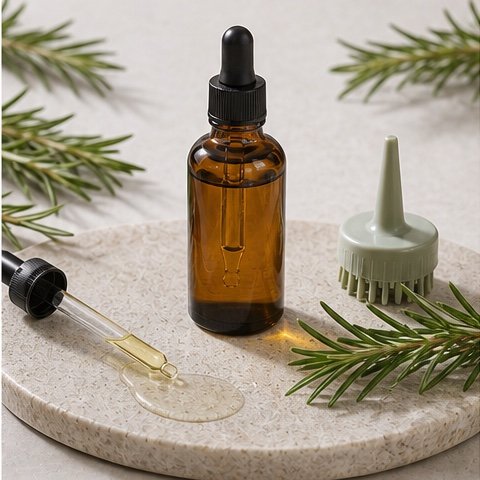
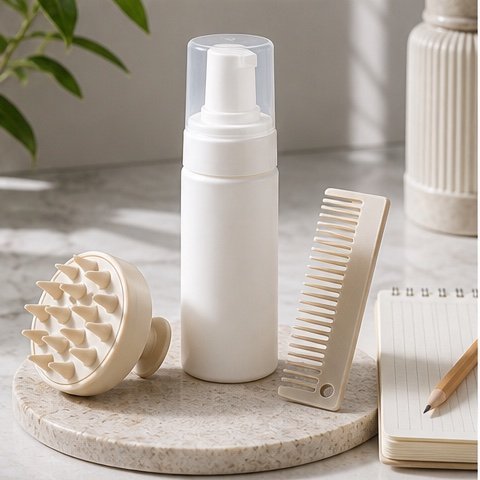
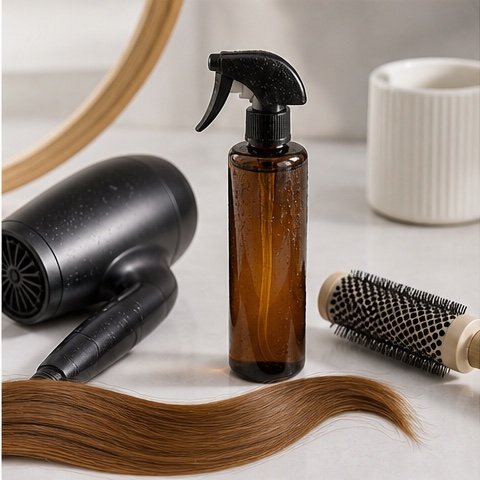


New Hair Growth Product Guides
- Best Hair Growth Products for Thinning Hair – Realistic guide for minoxidil, scalp tools, and supportive products.
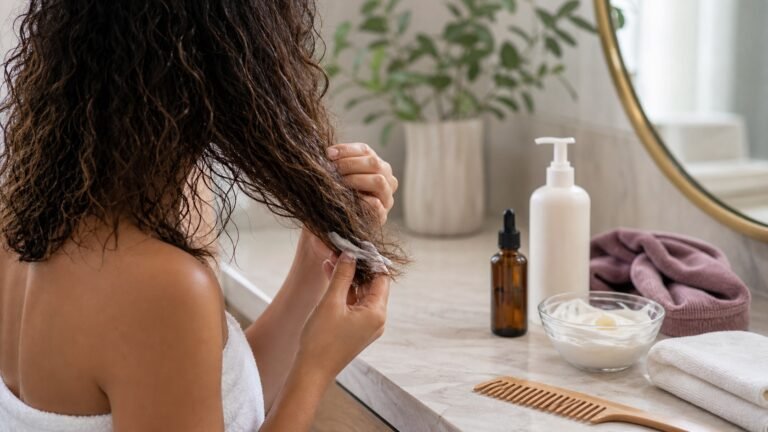
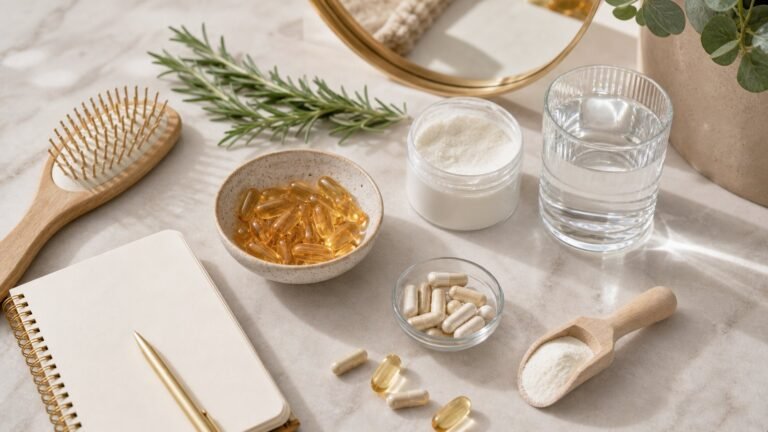
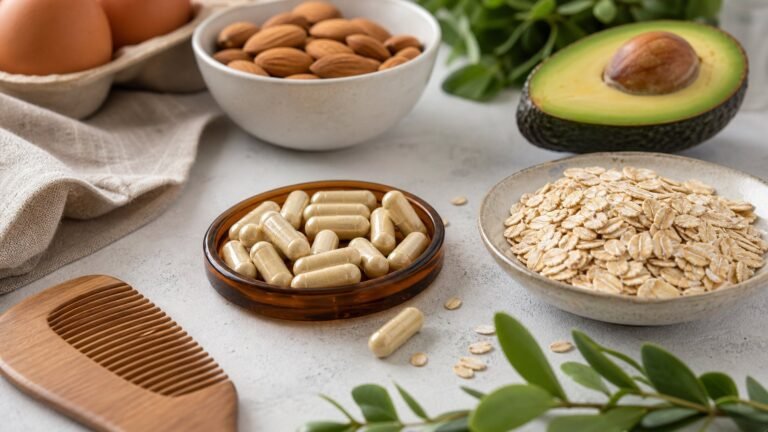
- Best Rosemary Oil for Hair Growth Searches – Natural remedy guide with safety and expectation setting.