Best Heat Protectant Spray for Hair: Fine, Curly, Frizzy & Color-Treated
HairBrief product path
Compare heat protectants
Heat-styling traffic should go to a lightweight protectant before tools or finishing sprays.
Compare on AmazonView HairBrief cardBuying guide
Affiliate disclosure: HairBrief may earn from qualifying Amazon purchases.
Quick Answer
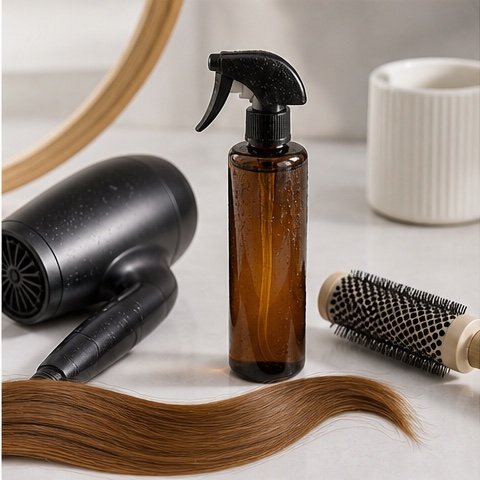
The best heat protectant is the one you will apply before every hot tool session: fine hair usually needs a lightweight spray, curly or dry hair may need a cream or leave-in, and color-treated hair needs heat plus fade protection habits.
- Use heat protectant before blow-drying, curling, or flat-ironing.
- Pick sprays for fine hair and creams or leave-ins for drier textures.
- Lower heat settings and fewer passes matter as much as the product.
Affiliate disclosure: As an Amazon Associate, HairBrief may earn from qualifying purchases. Product links open Amazon so you can compare current prices, reviews, sizes, and availability.
Heat protectant is one of the easiest affiliate product categories to connect with real visitor pain: frizz, breakage, split ends, rough color-treated hair, and curls that look dry after diffusing. This guide helps readers buy by hair type instead of grabbing the first spray with a high temperature claim.
| Reader need | Product type | Why it fits | Shop |
|---|---|---|---|
| Fine hair that gets flat | Lightweight heat protectant spray | Protects before heat without heavy cream residue. | Shop fine-hair sprays |
| Dry or frizzy hair | Heat protectant cream | Adds slip and moisture while reducing hot-tool friction. | Shop heat creams |
| Curly hair diffusing | Thermal leave-in for curls | Helps curls keep moisture during diffusing or stretching. | Shop curl protectants |
| Straightening or silk press | Anti-frizz thermal spray | Pairs heat protection with smoothing and humidity resistance. | Shop smoothing sprays |
| Color-treated hair | Color-safe heat protectant | Supports gentler styling habits for dyed or highlighted hair. | Shop color-safe options |
How to Choose What to Buy First
Heat protectant is not a license for maximum heat
AAD hair-care guidance emphasizes gentle habits for reducing damage. Use the lowest heat that works, avoid repeated passes, and give hair days off from hot tools when possible.
Choose the finish your hair can tolerate
Fine hair often dislikes oily sprays, while coarse or dry hair may need creamier protection. If your roots get greasy, keep protectant on mid-lengths and ends unless the label says otherwise.
Pair protection with better tools
A protectant helps, but the dryer, brush, and technique matter too. If curls are your focus, see HairBrief’s curly hair dryer guide.
What to Avoid
- Using hot tools on wet hair unless the tool is specifically designed for it.
- Flat-ironing the same section again and again.
- Skipping heat protectant because hair feels clean.
- Using heavy oils before high heat unless the product is meant for thermal styling.
Best Routine Pairings
- Lightweight heat protectant spray plus a low-heat blow dryer.
- Anti-frizz thermal spray plus microfiber towel.
- Curl heat protectant plus diffuser attachment.
Related HairBrief Guides
For damage prevention, read what causes hair damage, how to treat dry and frizzy hair, and how to manage split ends.
FAQ
Do I need heat protectant for blow-drying?
Yes, heat protectant is useful before blow-drying as well as curling or flat-ironing, especially if hair is fine, colored, dry, or already breaking.
Is spray or cream better?
Spray is usually better for fine hair and quick styling. Creams and leave-ins often suit dry, curly, coarse, or frizz-prone hair.
Can heat protectant prevent all damage?
No. It can reduce risk, but heat setting, tool quality, number of passes, and hair condition still matter.
Sources and Safety Notes
HairBrief uses consumer-friendly language, but hair loss, dandruff, dermatitis, and scalp irritation can have medical causes. Use product labels carefully and speak with a dermatologist or clinician for severe, sudden, painful, patchy, or persistent symptoms.
Next step
Not sure which product category fits your hair?
Use the HairBrief quiz to narrow your hair type, scalp concern and routine priority before buying. It can help you avoid buying a product that solves the wrong problem.