Best Rosemary Oil for Hair Growth Searches: What to Know Before Buying
HairBrief product path
Safety first
Before you buy or change your routine
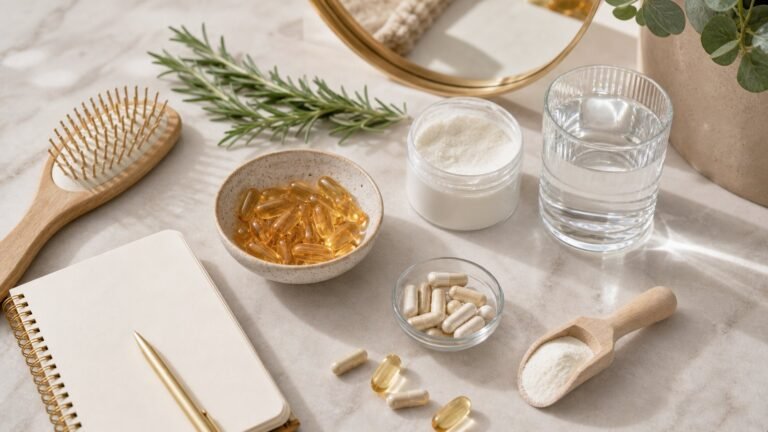
Supplements can help some readers, but they are most useful when they match a real need such as a measured deficiency, a diet gap or a clinician-guided plan. If you have sudden shedding, patchy loss, pain, scaling, infection signs, medication-related hair loss, pregnancy/postpartum questions or a medical condition, speak with a dermatologist or qualified clinician.
Helpful references: AAD hair-loss diagnosis guidance, NIH biotin fact sheet, and HairBrief supplement policy.
Compare rosemary scalp oils
Rosemary oil is best positioned as scalp-care support, not a replacement for medical advice when shedding is sudden or severe.
Compare on AmazonView HairBrief cardBuying guide
Affiliate disclosure: HairBrief may earn from qualifying Amazon purchases.
Quick Answer
The best rosemary oil for hair is a scalp-safe product that is diluted or designed for topical scalp use, patch-tested first, and used consistently with realistic expectations. Rosemary oil may support some routines, but it is not a guaranteed fix for every type of hair loss.
- Choose scalp-use products, not random essential oil applied undiluted.
- Patch test and stop if burning, redness, or irritation occurs.
- Use medical guidance for sudden, patchy, or long-standing hair loss.
Affiliate disclosure: As an Amazon Associate, HairBrief may earn from qualifying purchases. Product links open Amazon so you can compare current prices, reviews, sizes, and availability.
Rosemary oil is one of the highest-interest natural hair product searches. That makes it useful for traffic and affiliate revenue, but only if the page is careful. This guide helps readers compare rosemary oils, applicators, scalp massagers, and routine pairings while keeping the claims realistic.
| Reader need | Product type | Why it fits | Shop |
|---|---|---|---|
| Ready-to-use scalp oil | Rosemary hair oil blend | Often easier and safer than mixing essential oil yourself. | Shop rosemary hair oil |
| DIY dilution | Rosemary essential oil plus carrier oil | Lets experienced users dilute carefully before scalp application. | Shop rosemary oil |
| Precise scalp application | Scalp applicator bottle | Helps apply small amounts to the scalp instead of coating the lengths. | Shop applicators |
| Gentle massage | Soft scalp massager | Supports even distribution without nail scratching. | Shop scalp massagers |
| Irritation-prone scalp | Fragrance-free carrier oil | A gentler base may reduce irritation risk compared with strong fragranced blends. | Shop carrier oils |
How to Choose What to Buy First
Do not use undiluted essential oil casually
Essential oils can irritate skin when used too strongly. If a product is not pre-diluted or labeled for scalp use, learn dilution basics first and patch test.
Separate scalp care from miracle claims
Cleveland Clinic notes rosemary oil may be helpful for some hair-growth routines, but also stresses consistency, realistic expectations, and irritation precautions. HairBrief frames rosemary oil as a supportive option, not a universal cure.
Buy tools that make consistency easier
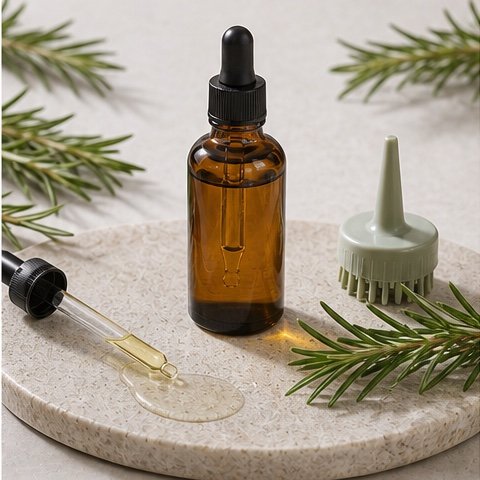
A dropper, applicator bottle, and soft scalp brush can make the routine neater. That matters because messy oil habits are one reason people quit quickly.
What to Avoid
- Applying 100% rosemary essential oil directly to the whole scalp without dilution guidance.
- Using rosemary oil on broken, painful, or inflamed scalp skin.
- Expecting dramatic regrowth in a few weeks.
- Replacing dermatology care for patchy or progressive hair loss.
Best Routine Pairings
- Rosemary scalp oil plus scalp applicator bottle.
- Rosemary essential oil plus jojoba carrier oil, if you know how to dilute safely.
- Soft scalp massager plus a gentle shampoo to remove excess oil when needed.
Related HairBrief Guides
Compare the pros and cons of hair oils, natural products for hair, hair regrowth remedies, and the Natural Hair Remedies hub.
FAQ
Can rosemary oil regrow hair?
It may help some people, but evidence is limited and it is not a guaranteed regrowth treatment. The cause of hair loss matters.
How often should I use rosemary oil?
Follow the product label. Many routines use small amounts a few times weekly, but irritation risk and hair type should guide frequency.
Should rosemary oil go on the scalp or hair lengths?
For hair-growth searches, the scalp is the focus. Length application may add shine, but it does not target follicles.
Sources and Safety Notes
HairBrief uses consumer-friendly language, but hair loss, dandruff, dermatitis, and scalp irritation can have medical causes. Use product labels carefully and speak with a dermatologist or clinician for severe, sudden, painful, patchy, or persistent symptoms.
- Cleveland Clinic: Rosemary oil for hair
- American Academy of Dermatology: Hair loss diagnosis and treatment
Next step
Not sure which product category fits your hair?
Use the HairBrief quiz to narrow your hair type, scalp concern and routine priority before buying. It can help you avoid buying a product that solves the wrong problem.