Hair Loss Vitamins: Iron, Vitamin D, Zinc and B12 Supplements on Amazon
HairBrief product path
Compare deficiency-support supplements
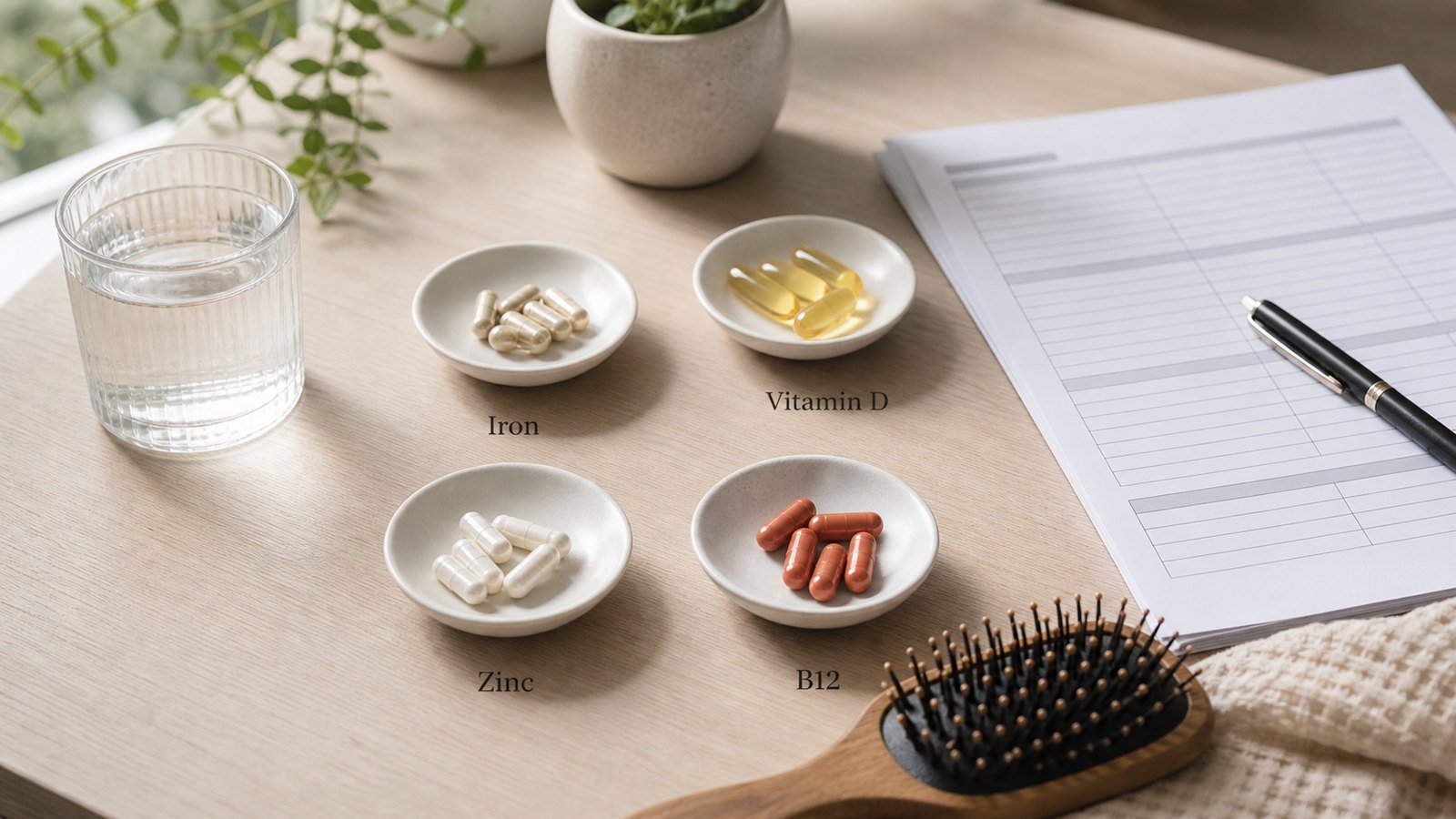
Iron, vitamin D, zinc, and B12 should be matched to a real gap, not stacked blindly with every hair vitamin.
Compare on AmazonView HairBrief cardBuying guide
Affiliate disclosure: HairBrief may earn from qualifying Amazon purchases.
Safety first
Before you buy or change your routine
Supplements can help some readers, but they are most useful when they match a real need such as a measured deficiency, a diet gap or a clinician-guided plan. If you have sudden shedding, patchy loss, pain, scaling, infection signs, medication-related hair loss, pregnancy/postpartum questions or a medical condition, speak with a dermatologist or qualified clinician.
Helpful references: AAD hair-loss diagnosis guidance, NIH biotin fact sheet, and HairBrief supplement policy.
Affiliate disclosure: HairBrief may earn from qualifying purchases as an Amazon Associate. This guide is educational and not medical advice. Speak with a qualified clinician before using supplements if you are pregnant, postpartum, taking medication, managing a medical condition, or dealing with sudden or patchy hair loss.
Deficiency-based hair supplements can be valuable when they match a real problem. They can also be risky when guessed at random, especially iron and high-dose zinc.
Quick answer
Which vitamin deficiency causes hair loss?
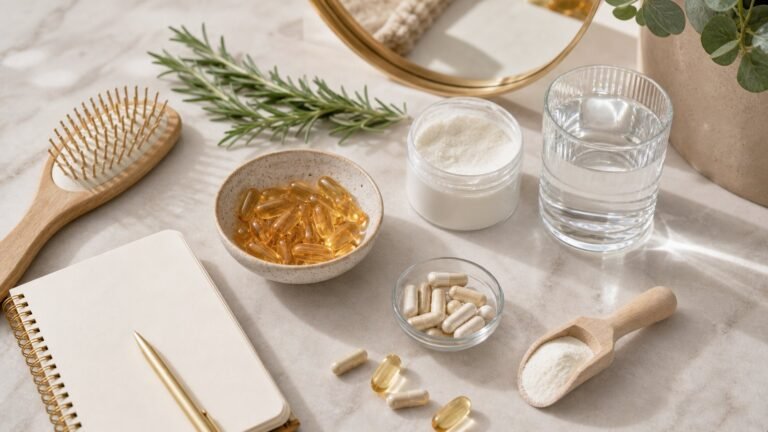
Low iron/ferritin, vitamin D, zinc, B12 and low protein intake can be relevant for shedding or weak hair. Testing or professional guidance is safer than guessing with high-dose products.
Take the hair quizOpen the supplement hubBest Amazon Searches
| Goal | Amazon shortcut | How to choose |
|---|---|---|
| Iron/ferritin | Iron bisglycinate | Only when advised or low on testing. |
| Vitamin D | Vitamin D3 | Useful when intake, sunlight or levels are low. |
| Zinc | Zinc picolinate | Avoid long-term high-dose use without guidance. |
| B12 | B12 supplement | More relevant for vegans, older adults or absorption issues. |
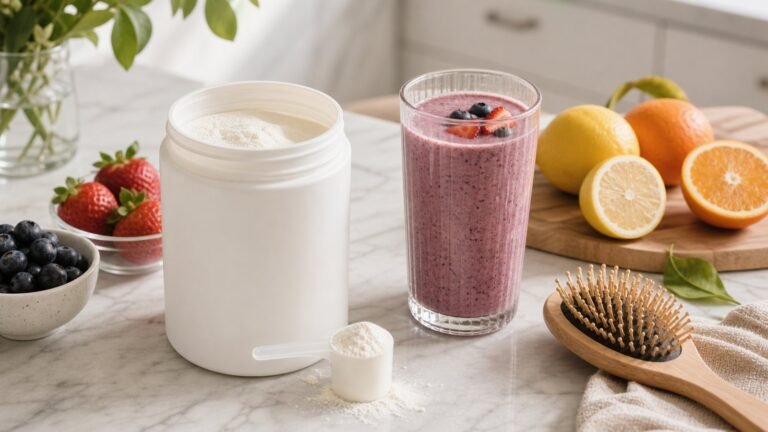
| Protein | Protein powder | Useful when low protein intake is the issue. |
When to get help
- Sudden heavy shedding
- Patchy loss
- Scalp pain or sores
- Fatigue or dizziness
- Hair loss after medication changes
Read next
Hair supplement hub
FAQ
Should I take iron for hair loss?
Only if testing or a clinician suggests you need it.
Can vitamin D help hair?
It may matter when levels are low, but dosing should match your needs.
Can too much zinc be harmful?
Yes. Excess zinc can create problems including copper imbalance.
Sources and safety references
Next step
Not sure which product category fits your hair?
Use the HairBrief quiz to narrow your hair type, scalp concern and routine priority before buying. It can help you avoid buying a product that solves the wrong problem.