Best Bond Repair Treatment for Damaged Hair: Bleach, Heat & Breakage Guide
Quick Answer
The best bond repair treatment is a strengthening step that matches your damage level and routine, but it works best when paired with less heat, gentler detangling, conditioner, and trims for split or broken ends.
- Use bond repair for bleach, color, heat, or chemical-service damage.
- Use moisturizing masks when hair feels dry or rough, not only weak.
- Stop the damage source or the treatment will have limited impact.
Affiliate disclosure: As an Amazon Associate, HairBrief may earn from qualifying purchases. Product links open Amazon so you can compare current prices, reviews, sizes, and availability.
Bond repair is a strong buying-intent topic because people search it after bleach, color, heat tools, breakage, or rough ends. This guide helps readers compare bond builders, masks, leave-ins, and heat protectants while setting realistic expectations: damaged hair can look and feel better, but split ends still need trimming.
| Reader need | Product type | Why it fits | Shop |
|---|---|---|---|
| Bleached or highlighted hair | Bond repair treatment | Targets damage from lightening and chemical processing. | Shop bond repair |
| Dry rough hair | Deep conditioning mask | Adds softness and slip when dryness is the main problem. | Shop hair masks |
| Breakage during styling | Strengthening leave-in | Adds slip and protection before brushing or styling. | Shop leave-ins |
| Heat-styled hair | Heat protectant spray | Reduces new damage during blow-drying or hot-tool styling. | Shop heat protectants |
| Blonde tone plus damage | Purple shampoo used carefully | Controls brassiness, but should not replace conditioning and repair. | Shop purple shampoo |
How to Choose What to Buy First
Know whether hair is dry, weak, or both
Dry hair needs moisture and conditioning. Weak, overprocessed hair may benefit from bond repair or strengthening products. Many damaged heads of hair need both, but not always on the same wash day.
Reduce new damage first
AAD guidance on healthy hair habits points back to gentler handling. If you keep bleaching, flat-ironing, and brushing aggressively, a treatment has to fight new damage every week.
Use product claims realistically
Bond repair can improve feel and reduce breakage risk, but it cannot permanently glue split ends together. Read HairBrief’s split ends guide when the ends are already fraying.
What to Avoid
- Using purple shampoo too often when hair already feels dry.
- Skipping conditioner because a bond product feels high-tech.
- Flat-ironing fragile bleached hair at high heat.
- Expecting damaged ends to fully recover without trims.
Best Routine Pairings
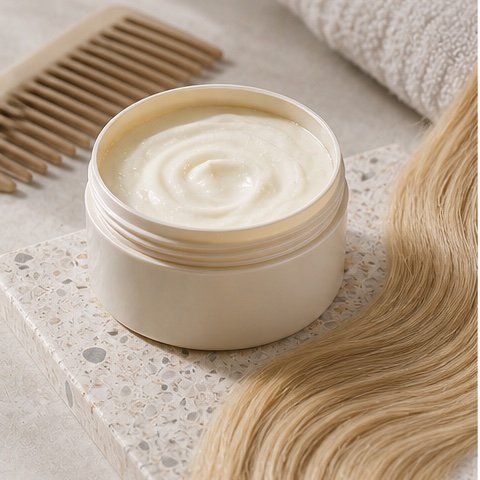
- Bond repair treatment plus deep conditioning mask.
- Strengthening leave-in plus wide tooth comb.
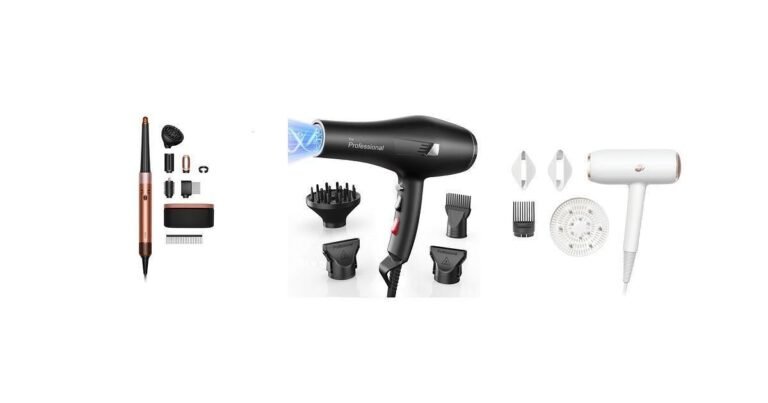
- Heat protectant before any blow dryer, curling iron, or flat iron.
Related HairBrief Guides
Start with what causes hair damage, then read colored hair care, dry and frizzy hair treatment, and split ends management.
FAQ
Does bond repair fix split ends?
It can improve feel and reduce breakage risk, but split ends cannot be permanently repaired. Trimming is still needed for ends that are already split.
How often should I use bond repair?
Follow the product label. Overusing strengthening treatments can make some hair feel stiff, so balance them with moisture.
Is bond repair better than a hair mask?
They solve different problems. Bond repair focuses on strength and chemical or heat damage; masks often focus on softness and moisture.
Sources and Safety Notes
HairBrief uses consumer-friendly language, but hair loss, dandruff, dermatitis, and scalp irritation can have medical causes. Use product labels carefully and speak with a dermatologist or clinician for severe, sudden, painful, patchy, or persistent symptoms.
Next step
Not sure which product category fits your hair?
Use the HairBrief quiz to narrow your hair type, scalp concern and routine priority before buying. It can help you avoid buying a product that solves the wrong problem.