Best Clarifying Shampoo for Product Buildup, Greasy Roots & Dull Hair
Quick Answer
The best clarifying shampoo is the gentlest formula that removes the specific residue you have: styling buildup, dry shampoo, scalp oil, silicone-heavy products, or hard-water minerals.
- Choose regular clarifying shampoo for styling residue and greasy roots.
- Choose chelating shampoo if hard water or mineral buildup is the problem.
- Use clarifying products occasionally, then condition the lengths so hair does not feel stripped.
Affiliate disclosure: As an Amazon Associate, HairBrief may earn from qualifying purchases. Product links open Amazon so you can compare current prices, reviews, sizes, and availability.
Clarifying shampoo is high-intent because readers usually arrive after their normal shampoo stops working. Hair feels waxy, roots get greasy quickly, curls lose shape, or ends look dull even after washing. This guide helps you choose a clarifying product without turning every wash into a harsh reset.
| Reader need | Product type | Why it fits | Shop |
|---|---|---|---|
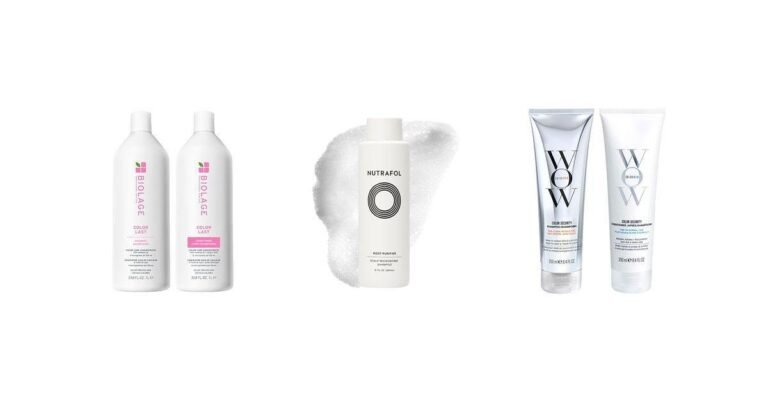
| Dry shampoo and styling residue | Clarifying shampoo | Removes residue that regular shampoo may leave behind. | Shop clarifying shampoo |
| Hard-water dullness | Chelating shampoo | Targets mineral buildup that can make hair rough or coated. | Shop chelating shampoo |
| Oily roots | Oil-control clarifying shampoo | Helps reset roots without applying heavy products near the scalp. | Shop oily root shampoo |
| Curly hair buildup | Curly-hair clarifying shampoo | Clarifies while considering curl dryness and slip needs. | Shop curl clarifiers |
| Gentle reset | Sulfate-free clarifying shampoo | A milder option for people who clarify occasionally but dislike a stripped feel. | Shop sulfate-free clarifiers |
How to Choose What to Buy First
Clarifying is not the same as daily shampooing
Clarifying shampoo is a reset tool. For everyday cleansing, match shampoo to scalp type and conditioner to the ends. HairBrief’s shampoo and conditioner guide explains that split approach.
Use chelating when water is the issue
If hair feels rough after moving homes, swimming, or showering in hard-water areas, look for chelating or hard-water shampoos instead of only oil-control formulas.
Protect dry or colored ends
Clarifying can make dry, curly, or color-treated hair feel rough if overused. Follow with conditioner or a mask, and read how to care for colored hair if fading is a concern.
What to Avoid
- Clarifying every wash when your hair is already dry or brittle.
- Applying heavy masks to the scalp right after clarifying oily roots.
- Confusing hard-water buildup with ordinary oiliness.
- Skipping conditioner on lengths that feel rough after washing.
Best Routine Pairings
- Clarifying shampoo plus lightweight conditioner.
- Chelating shampoo plus a shower filter.
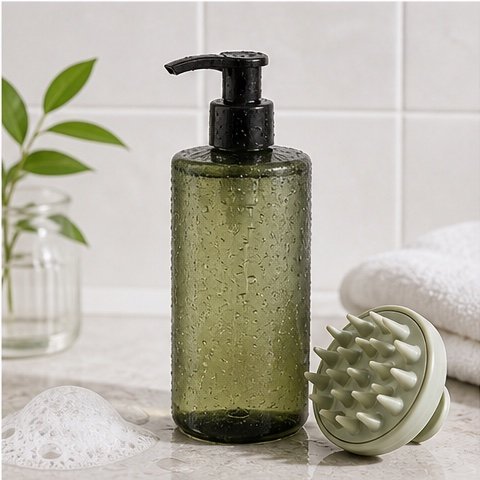
- Scalp massager used gently, not as a scrubbing tool.
Related HairBrief Guides
Read how to clean the scalp, does shampooing daily damage hair, and best products for oily hair for routine context.
FAQ
How often should I use clarifying shampoo?
Many people use it weekly, every two weeks, or monthly depending on buildup, hair type, and product use. Dry or color-treated hair usually needs it less often.
What is the difference between clarifying and chelating shampoo?
Clarifying shampoo removes general residue and oil. Chelating shampoo is designed for mineral buildup from hard water, pools, or metals.
Can clarifying shampoo help oily hair?
It can help when oil and residue make roots feel coated, but over-cleansing can sometimes make the scalp feel irritated or dry.
Sources and Safety Notes
HairBrief uses consumer-friendly language, but hair loss, dandruff, dermatitis, and scalp irritation can have medical causes. Use product labels carefully and speak with a dermatologist or clinician for severe, sudden, painful, patchy, or persistent symptoms.
Next step
Not sure which product category fits your hair?
Use the HairBrief quiz to narrow your hair type, scalp concern and routine priority before buying. It can help you avoid buying a product that solves the wrong problem.