Best Dandruff Shampoo for Oily Scalp: Ingredients to Buy First
HairBrief product path
Compare anti-dandruff shampoos
For oily flakes and itch, choose the active ingredient before adding oils or extra styling products.
Compare on AmazonView HairBrief cardBuying guide
Affiliate disclosure: HairBrief may earn from qualifying Amazon purchases.
Quick Answer
The best dandruff shampoo for an oily scalp is usually one with a proven anti-dandruff active, such as ketoconazole, selenium sulfide, zinc pyrithione, salicylic acid, or coal tar, chosen by symptom pattern and label directions.
- Choose ketoconazole or selenium sulfide when oily flakes and itch are the main issue.
- Choose salicylic acid when flakes feel stuck or buildup is heavy.
- See a dermatologist for severe redness, pain, bleeding, thick scaling, or hair loss.
Affiliate disclosure: As an Amazon Associate, HairBrief may earn from qualifying purchases. Product links open Amazon so you can compare current prices, reviews, sizes, and availability.
If someone searches for best dandruff shampoo for oily scalp, they usually do not need another vague routine. They need to know which ingredient to buy first, how often to use it, and when flakes may be more than simple dryness. This guide connects product types with symptoms, then points you to Amazon searches that let you compare current options.
| Reader need | Product type | Why it fits | Shop |
|---|---|---|---|
| Oily flakes and itch | Ketoconazole dandruff shampoo | Often used for stubborn dandruff-style flaking and itchy oily scalp. | Shop ketoconazole shampoos |
| Greasy scalp with recurring flakes | Selenium sulfide shampoo | Useful when oiliness and visible flakes return quickly. | Shop selenium sulfide |
| Everyday dandruff control | Zinc pyrithione shampoo | A common anti-dandruff option for routine scalp maintenance. | Shop zinc shampoos |
| Sticky flakes or buildup | Salicylic acid scalp shampoo | Helps loosen scale and residue when flakes cling to the scalp. | Shop salicylic acid |
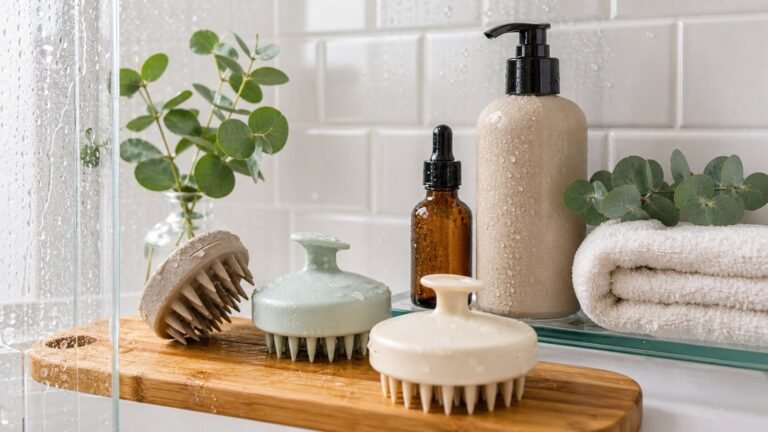
| Better scalp contact | Soft silicone scalp brush | Can help distribute shampoo without aggressive scratching. | Shop scalp brushes |
How to Choose What to Buy First
Match the active ingredient to the scalp
Oily dandruff is different from a dry scalp. If the flakes are oily, yellowish, itchy, or return quickly, start with an anti-dandruff active and read the label carefully. Mayo Clinic lists several common medicated shampoo ingredients used for dandruff treatment, including zinc pyrithione, selenium sulfide, ketoconazole, tar-based shampoos, and salicylic acid.
Use enough contact time
Many anti-dandruff shampoos work best when they touch the scalp for a short period before rinsing. Do not scrub hard; massage gently with fingertips or a soft scalp brush, then rinse very well.
Do not forget the rest of the hair
Anti-dandruff shampoo belongs on the scalp. If your ends get dry, condition the lengths after rinsing. For a full routine, read HairBrief’s dandruff treatment guide and oily hair product guide.
What to Avoid
- Using heavy oils on an already oily, flaky scalp before you know the cause.
- Scratching scales aggressively before shampooing.
- Switching shampoos every wash before one active has had a fair trial.
- Ignoring scalp pain, bleeding, thick crusting, or patchy hair loss.
Best Routine Pairings
- Anti-dandruff shampoo plus soft scalp brush
- Salicylic acid scalp shampoo plus lightweight conditioner on the ends only.
- Zinc pyrithione shampoo for recurring mild flakes, following label directions.
Related HairBrief Guides
Start with Scalp Health, then compare what causes dandruff and flaky scalp and seborrheic dermatitis treatment basics if symptoms keep coming back.
FAQ
What ingredient is best for oily dandruff?
There is no single best ingredient for everyone. Ketoconazole, selenium sulfide, zinc pyrithione, salicylic acid, and tar-based shampoos are common options; the right one depends on symptoms and label directions.
Can I use dandruff shampoo every day?
Follow the product label. Some medicated shampoos are used several times a week at first, while others may be too drying for daily use.
When should I see a dermatologist for dandruff?
Get medical advice if flakes are severe, painful, bleeding, thick, spreading, associated with hair loss, or not improving with consistent over-the-counter care.
Sources and Safety Notes
HairBrief uses consumer-friendly language, but hair loss, dandruff, dermatitis, and scalp irritation can have medical causes. Use product labels carefully and speak with a dermatologist or clinician for severe, sudden, painful, patchy, or persistent symptoms.
Next step
Not sure which product category fits your hair?
Use the HairBrief quiz to narrow your hair type, scalp concern and routine priority before buying. It can help you avoid buying a product that solves the wrong problem.